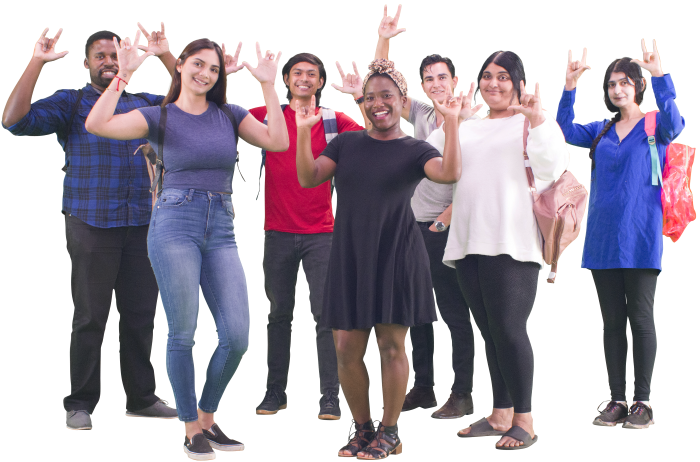
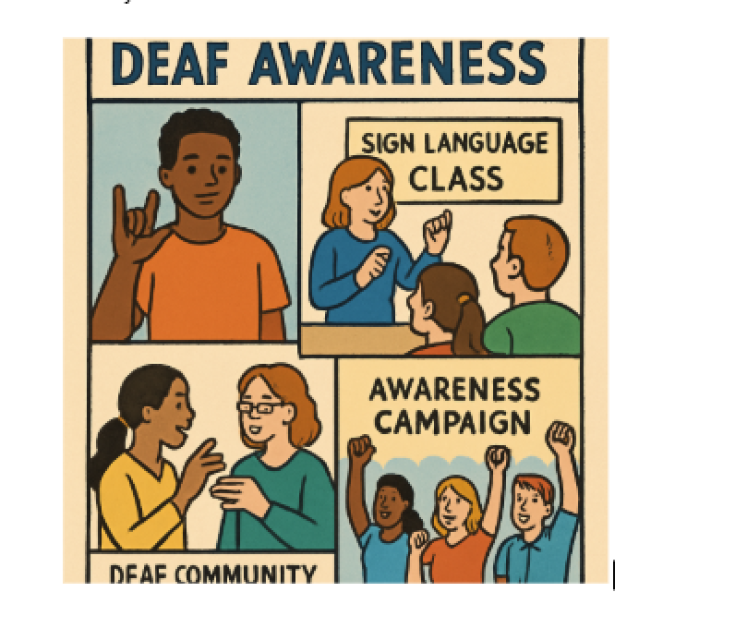
Deaf Awareness Week is a vital event that shines a light on the Deaf community. It promotes understanding and inclusion. This annual event highlights the challenges faced by Deaf individuals. It advocates for their rights and access to essential services.
Sign language plays a crucial role in communication for the Deaf. American Sign Language (ASL) is widely used in the United States and Canada. Deaf Awareness Week encourages learning and using sign language to foster better communication.
The week is filled with workshops, seminars, and activities. These events educate the public about Deaf culture and issues. They also provide a platform for Deaf individuals to share their experiences.
Deaf Awareness Week is celebrated globally during the last full week of September (Monday through Sunday) . Various countries host their own events and activities. It serves as a reminder of the ongoing need for advocacy and policy change.
Understanding and respecting Deaf culture is a key message. The event encourages collaboration between the Deaf and hearing communities. It is a call to action for a more inclusive and accessible world.
What is Deaf Awareness Week?
Deaf Awareness Week is an annual event dedicated to raising awareness about the challenges faced by Deaf individuals. It aims to educate the public on the importance of accessibility and inclusion. Throughout the week, various activities highlight the needs and rights of the Deaf community.
The event not only emphasizes communication barriers but also celebrates the culture and contributions of Deaf individuals. Organizations worldwide participate in this initiative, offering resources and support to both the Deaf and hearing communities.
Key focus areas include:
- Promoting sign language learning
- Advocating for access to services
- Highlighting stories and achievements of Deaf individuals
Deaf Awareness Week also serves as a reminder of the ongoing efforts needed to improve the quality of life for the deaf. It encourages community participation in creating a more inclusive society.
The History and Global Significance
Deaf Awareness Week traces its roots back to the International Week of the Deaf, initiated in the 1950s. This event was born out of the need to promote understanding and awareness of Deaf issues on a broader scale. It has since grown to become a globally recognized observance, celebrated by countries all over the world.
The significance of this week lies in its capacity to unite diverse cultures and communities toward a common cause. By fostering a spirit of collaboration, Deaf Awareness Week highlights the pressing issues faced by the Deaf community. It also aims to eliminate stereotypes and misconceptions.
Key historical milestones include:
- The establishment of the International Day of the Deaf
- Recognition by global bodies
- Increased worldwide participation
Through this celebration, the world learns to appreciate the unique perspectives and talents of deaf individuals.
The Importance of Sign Language for the Deaf Community
Sign language is a vital aspect of communication for the deaf community. It enables individuals to express thoughts, emotions, and complex ideas effectively. Within this community, sign language serves as both a bridge and a bond among members.
In the United States, American Sign Language (ASL) plays a significant role. It is one of the primary communication methods used by people who are deaf. Learning ASL can promote inclusivity and understanding between hearing and deaf individuals.
The importance of sign language extends beyond mere conversation. It also includes providing access to education, employment, and healthcare services. Recognizing sign language as a legitimate language is crucial for advocacy efforts.
Consider the following key points about sign language:
- Facilitates communication between hearing and deaf communities
- Enhances access to information and resources
- Recognizes and respects cultural diversity
Understanding the nuances and significance of sign language can transform societal perceptions and foster greater inclusion.
Promoting Access and Inclusion
Access and inclusion are fundamental rights for everyone, including the deaf community. Deaf Awareness Week highlights these rights and emphasizes their importance. It’s not just about communication, but about equal opportunities in various life areas.
To promote true inclusion, creating environments that cater to diverse communication needs is essential. This includes accessible education and workplaces, using sign language interpreters, and ensuring technology like captioning services is available.
Key focus areas include:
- Providing interpreters for public events
- Ensuring equal access to healthcare services
- Implementing inclusive educational practices
By advocating for these changes, society can work towards eliminating barriers that prevent full participation. While progress has been made, continuous efforts are necessary to create a truly inclusive environment.
Common Myths and Misconceptions About Deafness
Misunderstandings about deafness can lead to stigmatization and exclusion. Many assume deaf people cannot communicate effectively. This is false. Sign language serves as a powerful tool for communication within the community.
Another myth is that all deaf people use the same sign language, like American Sign Language (ASL). However, sign languages vary globally, with each culture having its unique version.
Here are some common misconceptions:
- All deaf people can read lips.
- Being deaf means lacking musical appreciation.
- Deaf individuals prefer not to associate with hearing people.
Dispelling these myths is crucial for fostering inclusivity and understanding. Addressing misconceptions encourages respect and supports collaboration between deaf and hearing communities. Education plays a vital role in overcoming these barriers, paving the way to a more inclusive society.
How to Support and Get Involved During Deaf Awareness Week
Participating in Deaf Awareness Week creates a world of inclusion and understanding. Engaging in activities is a meaningful way to show support and solidarity with the deaf community. Such involvement helps foster better communication and breaks down barriers.
A great way to support is by learning sign language. Many organizations offer workshops or classes during this week. Understanding sign language builds bridges between the deaf and hearing communities.
Consider attending events like seminars, presentations, or cultural exhibitions. These activities can broaden perspectives on deaf culture and highlight the community’s achievements. They also offer opportunities to learn from deaf individuals directly.
Here’s how you can get involved:
- Join sign language classes or tutorials.
- Volunteer at local deaf organizations or events.
- Spread awareness through social media and personal networks.
Taking these actions can make a significant impact. Participating during this week shows commitment to making society more inclusive for all. Your involvement encourages others to join this vital cause.
Celebrating Deaf Culture and Achievements
Deaf Awareness Week is a time to honor the vibrant culture of the deaf community. This celebration shines a spotlight on their creativity, resilience, and contributions to society. By highlighting these aspects, it fosters respect and admiration.
Events during this week often feature unique expressions of deaf culture. These might include art displays, theater performances, or music events by deaf artists. Such activities serve as a powerful platform for showcasing talent and achievements.
Examples of ways to celebrate include:
- Attending a deaf art exhibit or performance.
- Reading books by deaf authors or about deaf history.
- Watching films by deaf filmmakers.
Celebrating these achievements helps bridge gaps between communities. It amplifies the voices of the deaf, promoting a more inclusive society.
Conclusion: Moving Toward a More Inclusive World
Deaf Awareness Week is a vital step toward understanding and inclusion. It encourages us all to celebrate and support the deaf community. The week serves as a reminder of the work still needed to ensure equality.
By raising awareness, we can challenge stereotypes and break down barriers. Everyone can contribute to creating a world where access and inclusion are standard. Learning sign language and advocating for accessibility are crucial actions.
Together, we can build a society that values and embraces diversity. In doing so, we pave the way for future generations to thrive in a truly inclusive world.